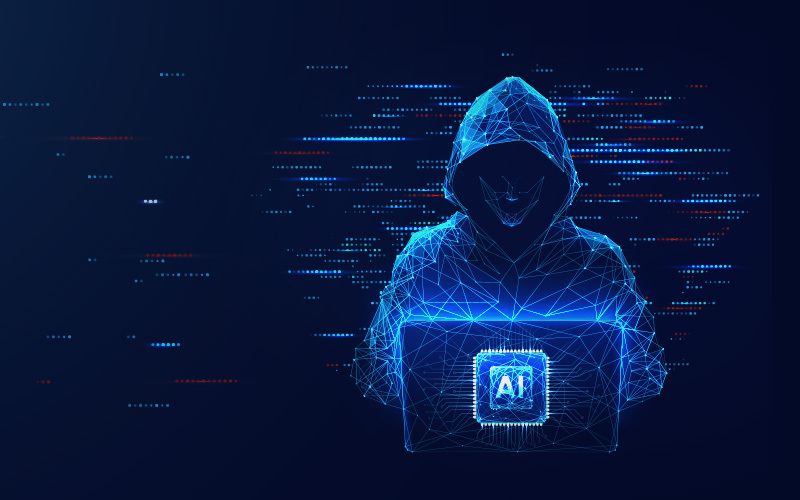
Artificial intelligence is transforming the way organizations work—but it’s also changing the way cybercriminals attack. Deepfake technology has evolved rapidly, allowing attackers to create convincing audio, video, and images that imitate trusted individuals with alarming accuracy.
What was once considered a future threat is now a growing cybersecurity risk. From executive impersonation to fraudulent financial requests, deepfake scams are becoming more sophisticated and more difficult to detect.
CTComp helps organizations prepare for these evolving threats by combining cybersecurity best practices, user awareness training, and layered security strategies that reduce the risk of AI-driven social engineering attacks.
Understanding the Deepfake Threat
Deepfakes use AI to generate realistic voice recordings, videos, and images that appear authentic. In many cases, attackers need only a few seconds of publicly available audio or video—from social media, webinars, interviews, or virtual meetings—to create a convincing impersonation.
These scams are increasingly being used to:
- Impersonate executives or business leaders
- Pressure employees into approving wire transfers or payments
- Request sensitive company information or credentials
- Bypass traditional verification processes through urgency and authority
As AI technology continues to improve, distinguishing between legitimate and fraudulent communications becomes increasingly difficult.
How to Protect Your Organization
Technology plays an important role in cybersecurity, but people remain the first line of defense against social engineering attacks. CTComp encourages organizations to adopt security practices that help employees verify requests before taking action.
Key safeguards include:
- Never let urgency replace verification: unexpected requests involving money, sensitive information, or changes to normal procedures should always be confirmed.
- Use a separate, trusted communication channel: verify unusual requests through a phone call, in-person conversation, or approved corporate messaging platform.
- Question anything out of the ordinary: changes in tone, unusual requests, or unexpected urgency should raise immediate concern.
- Report suspicious activity immediately: prompt reporting allows IT and security teams to investigate and respond before damage occurs.
Provide ongoing security awareness training: regular education helps employees recognize new attack techniques as cyber threats continue to evolve.
A culture of verification is one of the most effective defenses against AI-powered deception.
Why Awareness Matters
Unlike traditional malware or phishing attacks, deepfake scams exploit trust rather than technical vulnerabilities. They target employees who believe they are communicating with a legitimate colleague or executive.
Organizations that establish clear verification procedures and reinforce security awareness are better equipped to prevent fraudulent transactions, protect sensitive information, and reduce the likelihood of successful social engineering attacks.
The goal isn’t to distrust every interaction—it’s to ensure important decisions are verified before action is taken.
Partner with CTComp to Strengthen Your Cybersecurity Strategy
As AI-powered attacks become more convincing, organizations need security strategies that evolve alongside them. CTComp helps businesses strengthen their cybersecurity posture through layered security solutions, user awareness training, and proactive risk management designed to address today’s emerging threats.
Deepfakes are changing the cyber threat landscape—but with the right combination of technology, policies, and employee education, your organization can stay one step ahead.
Connect with CTComp to learn how we can help your organization prepare for the next generation of AI-powered cyber threats.